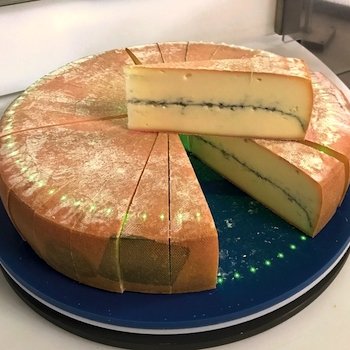
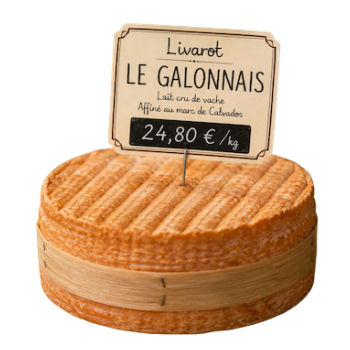
Choosing the right starter cultures ➜ Acidification rate, texture, formation of openings, aroma production… : depending on the cheesemaker’s priorities, a wide range of lactic acid bacteria are currently available. We present an overview of the range and dosage appropriate to different products. ➜ Culture selection for cheese style ➜ The right doses Compare and contrast : Époisses, Taleggio and Reblochon ➜ A comparative study of these three washed rind cheeses is an excellent way to understand the main tools used in producing these similar cheese styles. Cutting machines : Precise to the gram ! ➜ Smaller portions, cuts to a specific weight, loss reduction… : the market for cutting machines is responding to the growth of pre-cut, single-portion consumption along with the never-ending quest for efficiency and cost-efficiency. These tools are becoming increasingly sophisticated and high-performance.
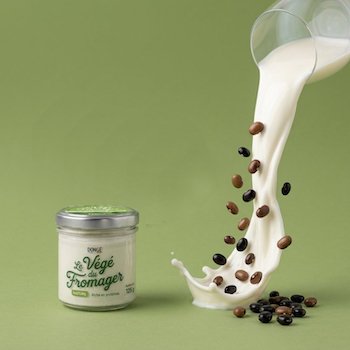
Cheesemakers in circular mode ➜ Dongé, betting on diversity The Brie de Meaux producer has launched a fermented product that combines dairy and plant proteins, both supplied (…)
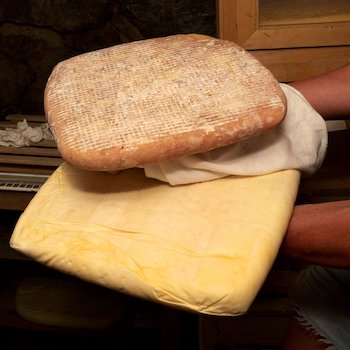
Tomme de la Brigue : Ultra-traditional ➜ A transhumance system, hand-milked, raw sheep milk, native cultures…we explore the Tomme de la Brigue in its mineral birthplace in the Roya Valley in the Alpes Maritimes, carved out by earthquakes and rivers. ➜ The Tomme de la Brigue, step by step ➜ The Brigasque, 4 x 4 sheep
Geographic Identity (IG) protection : Lines not to be crossed ➜ From misleading language to visual imitations — all manifesting a lack of understanding of regulations — PDOs and PGIs must often defend against (…)
Social media : The new case to manage ➜ Until relatively recently, clients chose their favorite cheesemonger for their selection of products, their story. Today, they are also attracted by a personality, an ambiance, and shared values that they can discover through social media. Far more than simply a virtual cheese case, Instagram, Facebook, TikTok and others have become tools that can attract customers to a business. ➜ Testimonies : how they perform on the Net
The Protestant ethic influence : Cheese as commodity ➜ By Antony Di Carlo, cheesemonger and former geography student. His ambition is to provide a full meaning of the word “terroir”. In our quest to (…)